Samsung
Comparador de modelos
Resumen de las diferencias
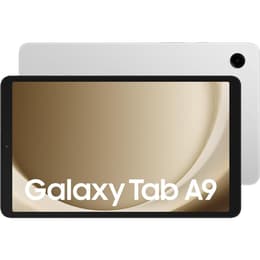
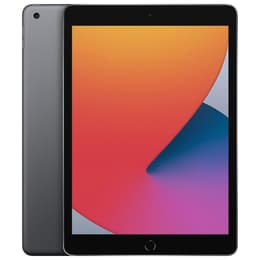
The Samsung Galaxy Tab A9, released in October 2023, and the Apple iPad (8th generation), launched in September 2020, are both tablets designed for everyday use. While the Galaxy Tab A9 operates on Android, offering a compact form factor, the iPad (8th generation) runs on iPadOS, providing a larger display and a distinct ecosystem experience. This comparison explores their practical differences to help users determine which device best suits their needs.
Color
Almacenamiento
When considering the long-term usability of these tablets, their release timelines and software support are key factors.
Año de lanzamiento
Compatible con la última actualización de OS
Sistema operativo
The performance of a tablet directly impacts its responsiveness and ability to handle various applications, from casual browsing to more demanding tasks.
The display is a central component of any tablet, influencing the visual experience for media consumption, productivity, and general interaction.
Resolución
Tipo de pantalla
Densidad de píxeles
While tablets are not typically primary photography devices, their cameras are important for video calls, document scanning, and casual photo capture.
Beyond core specifications, several practical features contribute to the overall user experience and daily convenience.
Peso (Gramos)
Ancho
Altura
Profundidad
Tamaño pantalla (pulgadas)
Cobertura
Operador
The Samsung Galaxy Tab A9 and the iPad (8th generation) cater to different user preferences, each with distinct advantages. Users often praise the iPad (8th generation) for its strong performance, robust app ecosystem, and consistent responsiveness, even several years after its release. However, common criticisms include its dated design with prominent bezels, a non-laminated display, a lower-resolution front camera, and the use of a Lightning port instead of the more universal USB-C. The base 32GB storage option can also be a limitation for some.
Conversely, the Galaxy Tab A9 is frequently lauded for its compact size, solid build quality, and decent performance for casual use, along with a bright display for its category. Points of concern for the Tab A9 often revolve around its lower screen resolution and pixel density, the standard 60Hz refresh rate, slower charging speeds, and basic camera capabilities. Some users have also noted that its battery life can be less than ideal for heavy usage.
Users prioritizing a larger screen, a more powerful processor for demanding applications, and stylus support for creative or note-taking work may find the iPad (8th generation) well-suited to their needs. For those seeking a more compact and portable device primarily for casual media consumption, web browsing, and light gaming, with the added benefit of expandable storage and a modern USB-C port, the Galaxy Tab A9 could be a more appropriate choice. Both devices offer a practical entry into the tablet market, and considering a quality-assured refurbished option can be an eco-friendly alternative for either model.